
 |
|
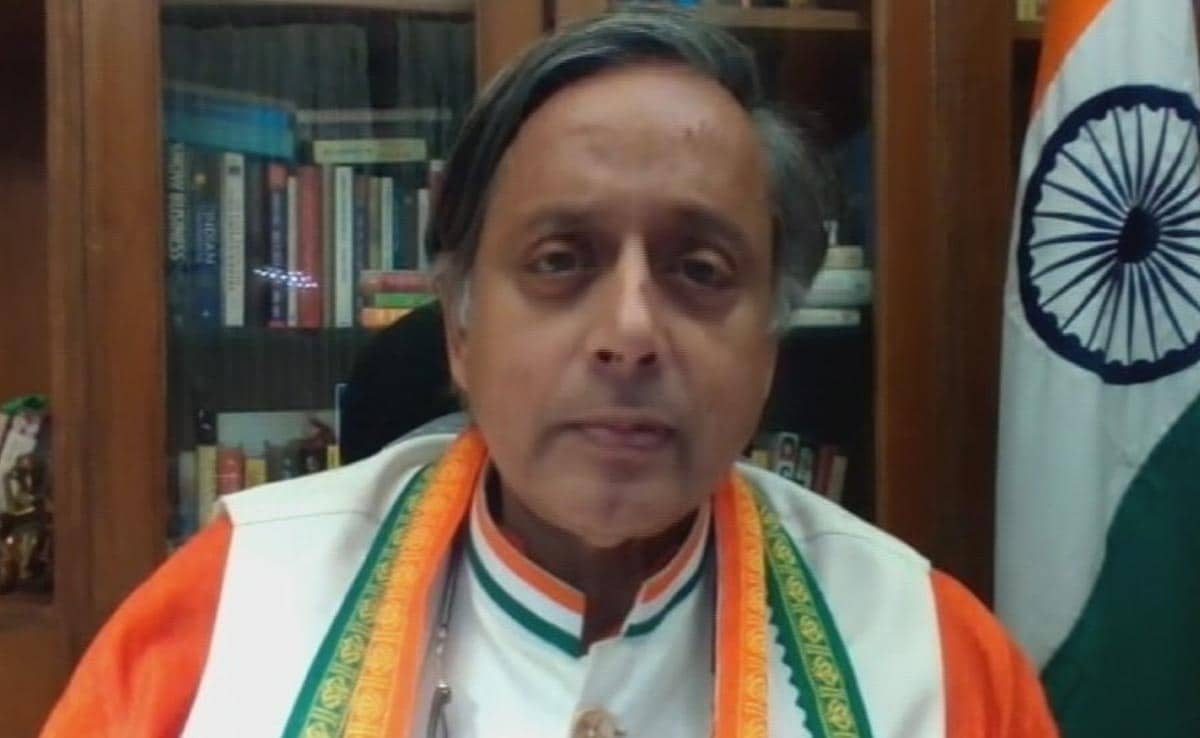
The recent stock market crash, triggered by the United States' decision to impose reciprocal tariffs on Indian imports, has sparked considerable concern among Indian policymakers and economists. Shashi Tharoor, a senior Congress leader, has voiced his apprehension over the potential impact of these tariffs on the Indian economy and has urged the central government to initiate negotiations with the US to mitigate the adverse effects. The crash, which saw the Sensex plummet by over 2,200 points, has raised fears of a global trade war and its consequences for various economies, including India. Tharoor's remarks highlight the delicate balance that India must strike between protecting its domestic industries and maintaining its trade relations with major economic powers like the United States. The situation underscores the importance of proactive diplomacy and strategic economic planning to navigate the complexities of the global trade landscape. This event also raises crucial questions about the long-term implications of protectionist trade policies and their potential to disrupt global supply chains and hinder economic growth. The imposition of tariffs represents a significant shift in the US's trade policy under the Trump administration, signaling a move towards a more protectionist stance. This shift has created uncertainty in the global market and has forced countries to reassess their trade strategies. India, being a major trading partner of the US, is particularly vulnerable to the impact of these tariffs. The need for negotiations is paramount to safeguarding India's economic interests and ensuring continued access to the US market. The complexity of the situation calls for a nuanced and strategic approach, involving careful consideration of various factors, including the potential impact on different sectors of the Indian economy. Furthermore, India must explore alternative trade partnerships to diversify its export markets and reduce its reliance on any single country. The current situation serves as a wake-up call for India to strengthen its domestic manufacturing capabilities and enhance its competitiveness in the global market. This requires investing in infrastructure, promoting innovation, and creating a conducive environment for businesses to thrive. The government must also focus on skill development to equip the workforce with the necessary skills to meet the demands of a rapidly changing global economy. In addition to bilateral negotiations with the US, India should also actively engage in multilateral forums to advocate for a fair and rules-based global trading system. The World Trade Organization (WTO) plays a crucial role in resolving trade disputes and promoting international cooperation. India should work with other countries to strengthen the WTO and ensure that it remains an effective platform for addressing trade-related challenges. The current crisis also presents an opportunity for India to deepen its economic ties with other countries, particularly in Asia and Africa. These regions offer significant potential for trade and investment, and strengthening these partnerships can help India reduce its vulnerability to global economic shocks. The government must actively promote trade and investment with these regions through various initiatives, such as trade agreements, investment promotion campaigns, and cultural exchanges. The impact of the US tariffs extends beyond the immediate economic consequences. It also has implications for India's geopolitical standing and its relationship with the US. The two countries have a strong strategic partnership, and maintaining this partnership is crucial for India's long-term interests. The government must carefully manage its relationship with the US to ensure that trade disputes do not undermine the broader strategic partnership. In conclusion, the stock market crash triggered by the US tariffs has created a challenging situation for India. The government must act swiftly and decisively to mitigate the adverse effects and safeguard India's economic interests. This requires a multi-pronged approach, involving negotiations with the US, diversification of export markets, strengthening domestic manufacturing, and deepening economic ties with other countries. The current crisis also underscores the importance of proactive diplomacy and strategic economic planning to navigate the complexities of the global trade landscape. The future of India's economy depends on its ability to adapt to the changing global environment and seize new opportunities for growth and development. This situation is not unique to India, as many countries are grappling with the repercussions of the evolving global trade dynamics. The key lies in resilience, adaptability, and a commitment to fostering a sustainable and inclusive economic growth model.
While Tharoor expresses concern, he also conveys a sense of optimism regarding India's economic resilience. He points out that India's 5.4% growth rate provides a buffer against potential recessionary pressures, unlike some other nations that might be more vulnerable. This highlights the importance of maintaining a strong domestic economy as a shield against external shocks. However, it's crucial to acknowledge that a global market crash, even if it doesn't immediately trigger a recession, can still have significant negative consequences. Reduced investor confidence, decreased consumer spending, and disruptions to supply chains can all contribute to slower economic growth and increased unemployment. Therefore, complacency is not an option. The government must take proactive measures to mitigate the risks and ensure that the Indian economy remains on a stable growth trajectory. This includes implementing policies that promote investment, create jobs, and enhance the competitiveness of Indian businesses. Furthermore, it's essential to address the underlying structural issues that could make the Indian economy more vulnerable to future shocks. These include improving infrastructure, streamlining regulations, and promoting financial inclusion. By strengthening the foundations of the Indian economy, the government can build greater resilience and ensure that the country is better prepared to weather future storms. The focus should also be on promoting sustainable and inclusive growth, which benefits all segments of society. This requires addressing income inequality, improving access to education and healthcare, and creating opportunities for marginalized communities. By ensuring that the benefits of economic growth are shared more equitably, the government can foster greater social cohesion and reduce the risk of social unrest. The current crisis also presents an opportunity for India to accelerate its transition to a more sustainable and environmentally friendly economy. This includes investing in renewable energy, promoting energy efficiency, and adopting sustainable agricultural practices. By embracing sustainable development, India can not only reduce its environmental footprint but also create new economic opportunities and improve the quality of life for its citizens. In addition to addressing the immediate economic challenges, it's also important to consider the long-term implications of the changing global trade landscape. The rise of protectionism and the increasing fragmentation of the global economy pose a threat to international cooperation and could hinder future economic growth. India must work with other countries to promote a more open and rules-based global trading system and to resist the temptation to resort to protectionist measures. The government should also continue to advocate for reforms to the WTO to make it more effective and responsive to the needs of developing countries. Furthermore, India should actively participate in regional trade agreements to expand its access to new markets and strengthen its economic ties with its neighbors. The current situation also underscores the importance of fostering innovation and technological advancement. By investing in research and development and promoting entrepreneurship, India can create new industries and generate high-skilled jobs. The government should also encourage the adoption of new technologies across all sectors of the economy to improve productivity and efficiency. In conclusion, the stock market crash triggered by the US tariffs presents a complex set of challenges and opportunities for India. While the immediate focus should be on mitigating the adverse effects and safeguarding the economy, it's also important to address the underlying structural issues and to prepare for the long-term implications of the changing global trade landscape. By adopting a proactive and strategic approach, India can navigate the current crisis and emerge stronger and more resilient.
Tharoor's statement that "No one could have foreseen such bad news in two-three days" highlights the unpredictable nature of global markets and the challenges of economic forecasting. The rapid escalation of trade tensions between the US and other countries has caught many by surprise, demonstrating the interconnectedness of the global economy and the potential for sudden shocks. This underscores the need for policymakers to be prepared for unexpected events and to have contingency plans in place to mitigate the risks. The ability to adapt quickly to changing circumstances is crucial for navigating the complexities of the global economy. The government must be flexible and responsive in its policy-making and be willing to adjust its strategies as needed. This requires close monitoring of global economic trends and a willingness to engage in dialogue with other countries to address emerging challenges. The current crisis also highlights the importance of effective communication. The government must communicate clearly and transparently with the public about the risks and challenges facing the economy and the measures it is taking to address them. This can help to build confidence and to reduce uncertainty. The government should also engage with businesses and other stakeholders to gather feedback and to ensure that its policies are aligned with the needs of the economy. Furthermore, it's essential to learn from past experiences. The global financial crisis of 2008 demonstrated the vulnerability of the global economy to sudden shocks and the importance of effective regulation and supervision of the financial system. The government should review the lessons learned from that crisis and take steps to prevent similar crises from happening in the future. This includes strengthening financial regulation, improving risk management practices, and promoting financial stability. In addition to addressing the immediate economic challenges, it's also important to consider the social and political implications of the changing global trade landscape. The rise of protectionism and the increasing fragmentation of the global economy could lead to increased social unrest and political instability. The government must address the concerns of those who feel left behind by globalization and to ensure that the benefits of economic growth are shared more equitably. This requires investing in education and training, creating jobs, and providing social safety nets for those who are unemployed or underemployed. The government should also promote social cohesion and to foster a sense of national unity. The current situation also underscores the importance of international cooperation. The challenges facing the global economy are too complex for any one country to solve alone. The government must work with other countries to address these challenges and to promote a more stable and prosperous world. This includes participating in multilateral forums, such as the G20 and the United Nations, and engaging in bilateral dialogues with key trading partners. The government should also promote cultural exchange and to foster understanding between different cultures. The current crisis presents an opportunity for India to play a leading role in shaping the future of the global economy. By promoting a more open and rules-based global trading system, by investing in sustainable development, and by fostering international cooperation, India can help to create a more prosperous and equitable world for all. In conclusion, Tharoor's remarks highlight the uncertainties and challenges facing the Indian economy in the wake of the US tariffs and the resulting stock market crash. While he expresses concern, he also conveys a sense of optimism regarding India's economic resilience and its ability to navigate the current crisis. The government must act swiftly and decisively to mitigate the adverse effects and to safeguard India's long-term economic interests. This requires a multi-pronged approach, involving negotiations with the US, diversification of export markets, strengthening domestic manufacturing, and fostering international cooperation. The future of India's economy depends on its ability to adapt to the changing global environment and to seize new opportunities for growth and development. The challenges are significant, but the potential rewards are even greater.
Source: Market Crash Matter Of Concern, India Should Negotiate With US: Shashi Tharoor