
 |
|
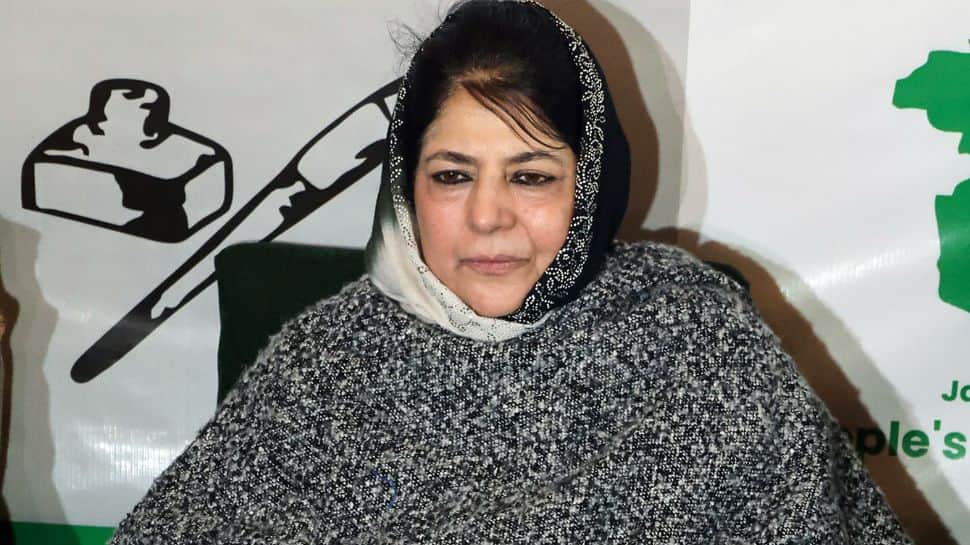
The political landscape of Jammu and Kashmir is often characterized by complex dynamics, historical grievances, and a delicate balance of power between regional parties and the central government in New Delhi. The recent statements by People's Democratic Party (PDP) president Mehbooba Mufti, sharply criticizing the ruling National Conference (NC) and its administration under Chief Minister Omar Abdullah, highlight the ongoing tensions and competing narratives within the region. Mufti's accusations of the NC prioritizing bureaucratic power struggles over the pressing concerns of the people, particularly the youth, daily wage workers, and terminated employees, underscore a fundamental divide in political ideologies and approaches to governance. This criticism also reflects a deeper dissatisfaction with the NC's perceived subservience to New Delhi, raising questions about the party's ability to effectively represent the interests of the people of Jammu and Kashmir. The core of Mufti's argument lies in the assertion that the NC, despite receiving a substantial mandate from the electorate, has failed to address critical issues such as youth incarceration, employee terminations, and rampant unemployment. Instead, she alleges, the government is preoccupied with minor administrative matters like the transfer of officials, specifically 'Patwaris,' which she deems insignificant in comparison to the larger socio-economic challenges facing the region. This perceived misallocation of priorities fuels the narrative that the NC has 'surrendered' to Delhi, implying a compromise of their autonomy and a neglect of their responsibilities to the people. The backdrop to this political friction is the complex history of Jammu and Kashmir, a region that has long been a focal point of political contention and security concerns. The relationship between regional parties like the NC and PDP and the central government in Delhi is often strained by differing perspectives on autonomy, development, and the overall political future of the region. The criticism leveled by Mufti resonates with a segment of the population that feels their voices are not being heard and that their concerns are being overshadowed by political maneuvering and bureaucratic inefficiencies. The issues she raises, such as youth incarceration and employee terminations, are not merely administrative matters but deeply impactful social and economic problems that require immediate and effective solutions. The termination of employees, particularly those working as daily wage workers, represents a significant blow to livelihoods and economic stability, exacerbating existing socio-economic disparities. Similarly, the incarceration of youth, often related to political unrest and security concerns, raises questions about the legal processes and the rehabilitation efforts within the region. The significance of Mufti's critique is amplified by the historical context of the PDP and NC rivalry. Both parties have historically competed for political dominance in Jammu and Kashmir, often presenting contrasting visions for the region's future. The PDP, under Mufti's leadership, has often positioned itself as a more assertive voice for the interests of the people of Jammu and Kashmir, advocating for greater autonomy and a more proactive approach to addressing the region's unique challenges. The NC, on the other hand, has traditionally maintained a closer relationship with the central government, often emphasizing the importance of stability and cooperation in navigating the complex political landscape. This dynamic creates a constant tension between the two parties, with each attempting to portray themselves as the true representatives of the people's aspirations. The accusations of 'surrender' leveled by Mufti are particularly potent, as they strike at the core of the NC's credibility and its ability to effectively govern the region. The term implies a loss of autonomy, a compromise of principles, and a failure to stand up for the interests of the people in the face of pressure from the central government. This resonates with those who feel that the NC has become too closely aligned with Delhi and that it is no longer effectively advocating for the unique needs and concerns of Jammu and Kashmir. Furthermore, Mufti's criticism highlights the disconnect between the government's actions and the mandate it received from the electorate. The NC, having secured a significant victory in the elections, is expected to prioritize the issues that matter most to the people who voted for them. However, Mufti argues that the government is instead focusing on trivial matters, neglecting the critical problems that are directly impacting the lives of ordinary citizens. This perceived betrayal of the electorate's trust further fuels the sense of disillusionment and frustration within the region. The political implications of Mufti's statements are significant. They not only challenge the legitimacy of the NC's government but also potentially pave the way for the PDP to strengthen its position as the leading opposition party in Jammu and Kashmir. By articulating the grievances of the people and presenting a contrasting vision for the region's future, Mufti seeks to gain traction and mobilize support for her party. The long-term consequences of this political maneuvering remain to be seen, but it is clear that Mufti's critique has ignited a debate about the direction of governance in Jammu and Kashmir and the role of regional parties in representing the interests of the people. The issues raised by Mufti – youth incarceration, employee terminations, unemployment – are not unique to Jammu and Kashmir. They are prevalent challenges faced by many regions across India and the world. However, in the context of Jammu and Kashmir, these issues are amplified by the region's unique political history, security concerns, and socio-economic disparities. The high rates of unemployment, particularly among educated youth, create a sense of hopelessness and frustration, fueling social unrest and political instability. The termination of employees, often driven by budgetary constraints or administrative changes, exacerbates economic hardship and creates a sense of insecurity among the workforce. The incarceration of youth, often related to political protests or security-related incidents, raises concerns about the fairness of the legal processes and the lack of rehabilitation opportunities. Addressing these challenges requires a comprehensive and multi-faceted approach that involves not only government policies but also community involvement, civil society organizations, and the private sector. It requires creating opportunities for education, employment, and entrepreneurship, as well as ensuring fair and transparent legal processes and providing effective rehabilitation programs for those who have been incarcerated. It also requires fostering a sense of hope and optimism among the youth, empowering them to become active participants in shaping the future of their region. The broader context of Mufti's critique is the ongoing debate about the future of Jammu and Kashmir and its relationship with the central government. The region has long been a focal point of political contention, with various stakeholders advocating for different solutions, ranging from greater autonomy to complete integration with India. The central government, while maintaining its sovereignty over the region, has also expressed a commitment to promoting peace, development, and good governance in Jammu and Kashmir. However, achieving these goals requires a delicate balance of power and a willingness to address the underlying grievances of the people. The political dynamics in Jammu and Kashmir are constantly evolving, with new challenges and opportunities emerging on the horizon. The role of regional parties like the NC and PDP is crucial in shaping the future of the region, and their ability to effectively represent the interests of the people will be critical to fostering peace, stability, and prosperity. Mufti's critique serves as a reminder of the importance of accountability, transparency, and responsiveness in governance, and it underscores the need for regional parties to prioritize the needs of the people over political maneuvering and bureaucratic self-interest. In conclusion, Mehbooba Mufti's scathing attack on the National Conference government underscores the deep-seated political tensions and competing narratives within Jammu and Kashmir. Her accusations of the NC prioritizing bureaucratic power struggles over the pressing concerns of the people, neglecting critical issues such as youth incarceration and employee terminations, and surrendering to Delhi reflect a fundamental divide in political ideologies and approaches to governance. The issues she raises highlight the socio-economic challenges facing the region and the need for a comprehensive and multi-faceted approach to addressing them. The political implications of her statements are significant, potentially paving the way for the PDP to strengthen its position as the leading opposition party and igniting a debate about the future of governance in Jammu and Kashmir. The role of regional parties like the NC and PDP is crucial in shaping the future of the region, and their ability to effectively represent the interests of the people will be critical to fostering peace, stability, and prosperity.
Source: 'You Have Already Surrendered To Delhi': PDP President Mehbooba Mufti Criticises NC Government