
 |
|
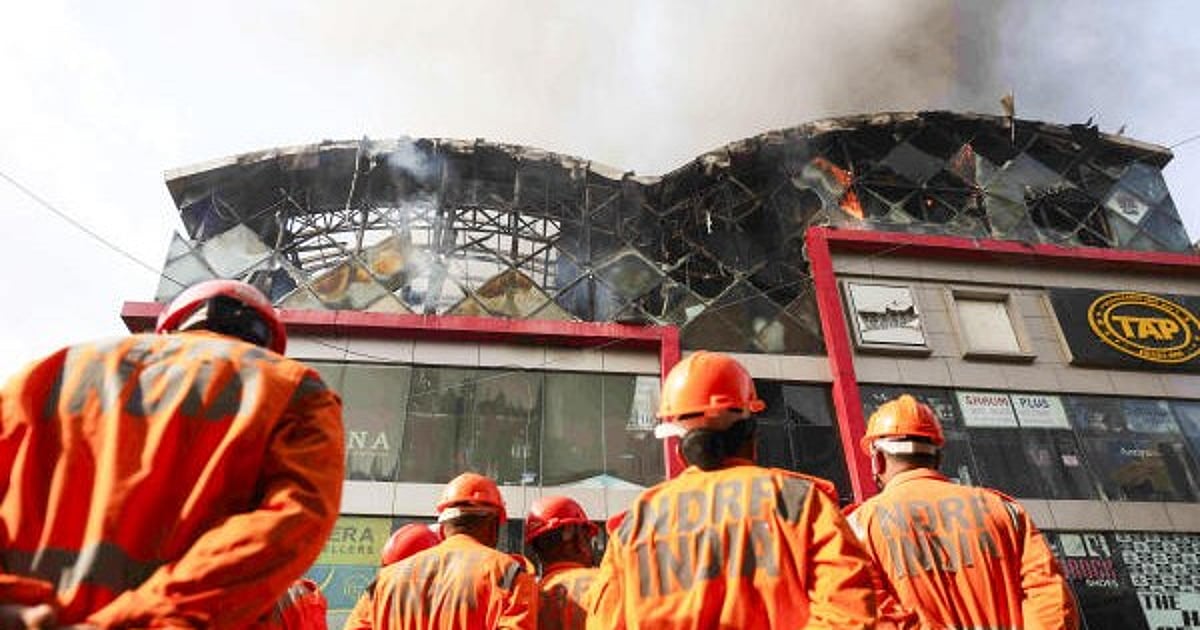
The recent fire at Link Square Mall in Bandra, Mumbai, which reportedly gutted over 100 shops, serves as a stark reminder of the ever-present risks faced by businesses and the public alike in densely populated urban environments. While the immediate cause of the fire remains undetermined based solely on the provided text, its devastating impact underscores the critical importance of robust fire safety measures, stringent building regulations, and efficient emergency response systems. This incident is not an isolated event; Mumbai, like many other metropolitan cities, has a history of significant fires, often exacerbated by factors such as overcrowding, inadequate infrastructure, and a lack of strict enforcement of safety standards. The critique levied by former MLA Zeeshan Siddiqui, now affiliated with the Ajit Pawar-led NCP, concerning the fire brigade's alleged complacency, adds another layer of complexity to the situation. Such accusations, whether justified or not, demand a thorough investigation to ascertain whether there were any lapses in protocol or inadequacies in the response that contributed to the extent of the damage. Furthermore, the incident raises broader questions about the accountability of municipal authorities and the effectiveness of their oversight mechanisms in ensuring the safety and well-being of the city's residents and businesses. The economic consequences of the fire are likely to be substantial, not only for the shop owners who have suffered significant losses but also for the wider community that relies on these businesses for goods and services. The disruption to trade and commerce could have a ripple effect, impacting employment, consumer spending, and overall economic activity in the affected area. Therefore, a comprehensive assessment of the economic impact is essential to inform appropriate relief and recovery measures. In addition to the immediate response to the fire, it is crucial to examine the underlying factors that may have contributed to its spread and severity. This includes an assessment of the building's construction materials, the adequacy of its fire suppression systems, and the presence of any potential fire hazards, such as flammable materials or faulty electrical wiring. A thorough investigation of these factors can help to identify systemic weaknesses and inform the development of more effective fire prevention strategies. The incident also highlights the need for greater public awareness regarding fire safety procedures. Many people are simply unaware of how to prevent fires, how to respond effectively in the event of a fire, or how to use fire extinguishers and other safety equipment. Educational campaigns and training programs can help to empower individuals to protect themselves and others from the dangers of fire. Moreover, it is essential to foster a culture of fire safety within the business community, encouraging shop owners and employees to take proactive measures to prevent fires and to be prepared to respond effectively in the event of an emergency. This can be achieved through regular fire drills, safety inspections, and the provision of clear and concise fire safety guidelines. The role of technology in fire prevention and detection cannot be overlooked. Advances in sensor technology, alarm systems, and fire suppression equipment are constantly emerging, offering new and innovative ways to protect buildings and people from the dangers of fire. Investing in these technologies and integrating them into existing fire safety systems can significantly enhance the effectiveness of fire prevention efforts. Furthermore, the use of data analytics and artificial intelligence can help to identify patterns and trends that may indicate an increased risk of fire, allowing authorities to take proactive measures to prevent incidents before they occur. The aftermath of the fire at Link Square Mall presents an opportunity to learn valuable lessons and to implement changes that will improve fire safety in Mumbai and other cities. By conducting a thorough investigation, addressing systemic weaknesses, raising public awareness, and investing in new technologies, it is possible to create a safer and more resilient urban environment. The criticism leveled by former MLA Zeeshan Siddiqui concerning the fire brigade’s response should not be dismissed lightly. It is imperative that a transparent and impartial inquiry is conducted to determine whether there were any shortcomings in the fire brigade’s handling of the situation. If deficiencies are identified, appropriate corrective actions must be taken to ensure that the fire brigade is adequately equipped and trained to respond effectively to future emergencies. This includes providing firefighters with the necessary equipment, training, and resources to safely and effectively combat fires, as well as improving coordination and communication between different emergency response agencies. The economic impact of the fire on the shop owners and the wider community should also be addressed promptly. Financial assistance, tax relief, and other forms of support should be provided to help businesses recover from their losses and to rebuild their operations. In addition, efforts should be made to mitigate the economic disruption caused by the fire, such as providing alternative locations for businesses to operate and promoting tourism to the affected area. The fire at Link Square Mall serves as a reminder of the importance of preparedness and vigilance in preventing and responding to emergencies. By taking proactive measures to address potential fire hazards, raising public awareness, and investing in advanced technologies, it is possible to minimize the risk of future fires and to protect the lives and livelihoods of the people of Mumbai. The investigation into the fire must be comprehensive and transparent, and the findings should be used to inform the development of more effective fire safety strategies and policies. Only through a concerted and sustained effort can we ensure that Mumbai and other cities are better prepared to prevent and respond to the threat of fire.
The incident also brings into sharp focus the complex issue of urban planning and the challenges of balancing economic development with public safety. Mumbai, a city known for its rapid growth and high population density, often faces trade-offs between maximizing land use and ensuring adequate space for infrastructure, emergency services, and public amenities. The fire at Link Square Mall raises questions about whether adequate consideration was given to fire safety measures during the planning and construction of the mall, and whether the existing infrastructure is sufficient to meet the needs of the growing population. Furthermore, the incident highlights the need for stricter enforcement of building codes and regulations. All too often, buildings are constructed without proper permits or without adhering to safety standards, creating a hazardous environment for residents and businesses. Municipal authorities must take a more proactive role in enforcing building codes and regulations, conducting regular inspections, and holding accountable those who violate the law. The importance of community involvement in fire safety cannot be overstated. Residents and business owners should be actively engaged in fire prevention efforts, participating in training programs, reporting potential fire hazards, and advocating for improved fire safety measures. Community-based organizations can play a vital role in raising awareness and promoting fire safety within their neighborhoods. The media also has a crucial role to play in informing the public about fire safety issues and holding authorities accountable for their actions. By reporting on incidents like the fire at Link Square Mall, the media can raise awareness about the risks of fire and the importance of taking preventative measures. In addition, the media can investigate the causes of fires and hold authorities accountable for their failure to enforce safety standards. The response to the fire at Link Square Mall must be coordinated and collaborative, involving all relevant stakeholders, including the fire brigade, police, municipal authorities, community organizations, and the media. Effective communication and coordination are essential to ensure that the response is efficient and effective. The incident also underscores the importance of investing in research and development to improve fire safety technologies and strategies. New technologies, such as advanced fire detection systems, fire-resistant materials, and automated fire suppression systems, can significantly enhance the effectiveness of fire prevention efforts. In addition, research is needed to better understand the causes of fires and to develop more effective strategies for preventing them. The lessons learned from the fire at Link Square Mall should be shared with other cities and countries, particularly those with similar urban planning challenges. By sharing best practices and lessons learned, we can collectively improve fire safety and protect lives and livelihoods around the world. The incident also serves as a reminder of the importance of investing in infrastructure to support emergency services. The fire brigade, police, and other emergency services need adequate resources to respond effectively to emergencies, including equipment, training, and personnel. In addition, infrastructure, such as roads, water supplies, and communication networks, must be adequate to support emergency response efforts. The fire at Link Square Mall is a tragedy that has had a devastating impact on the shop owners and the wider community. However, it also presents an opportunity to learn valuable lessons and to implement changes that will improve fire safety in Mumbai and other cities. By taking proactive measures to address potential fire hazards, raising public awareness, investing in advanced technologies, and strengthening emergency response systems, we can create a safer and more resilient urban environment.
The incident further necessitates a re-evaluation of disaster management protocols in Mumbai. While the city has faced numerous challenges related to natural disasters, including floods and cyclones, the frequency and intensity of such events are increasing due to climate change. This necessitates a comprehensive disaster management plan that addresses not only natural disasters but also man-made disasters such as fires. The plan should include provisions for early warning systems, evacuation procedures, emergency shelters, and post-disaster relief and rehabilitation. The plan should also be regularly updated and tested through drills and simulations. The role of non-governmental organizations (NGOs) in disaster management should also be recognized and supported. NGOs can play a vital role in providing emergency relief, coordinating volunteers, and advocating for the needs of vulnerable populations. The government should work in partnership with NGOs to ensure that disaster management efforts are effective and inclusive. The incident also highlights the importance of promoting sustainable urban development practices. Sustainable urban development practices can help to reduce the risk of disasters by reducing vulnerability and increasing resilience. For example, green building technologies can help to reduce energy consumption and water use, while also improving indoor air quality. Sustainable transportation systems can help to reduce traffic congestion and air pollution, while also improving access to jobs and services. The importance of community resilience should also be emphasized. Community resilience refers to the ability of a community to withstand and recover from disasters. Building community resilience requires empowering communities to identify and address their own vulnerabilities, promoting social cohesion, and fostering a sense of collective responsibility. The government can support community resilience by providing resources, training, and technical assistance. The incident at Link Square Mall serves as a wake-up call for Mumbai and other cities to prioritize disaster preparedness and resilience. By taking proactive measures to reduce risk, strengthen emergency response systems, and promote sustainable urban development practices, we can create a safer and more resilient future for our communities. The long-term recovery of the shop owners and the surrounding community after the fire is paramount. This recovery requires not just financial assistance, but also psychological support and community building initiatives. Many of the shop owners may have lost their entire livelihoods in the fire, and they may be facing significant emotional distress. Providing access to counseling services and support groups can help them to cope with their losses and rebuild their lives. In addition, community building initiatives can help to foster a sense of solidarity and support among the affected residents. These initiatives can include organizing community events, creating support networks, and providing opportunities for residents to volunteer and contribute to the recovery efforts. The recovery process should also be inclusive and equitable, ensuring that the needs of all residents are met, regardless of their income, ethnicity, or social status. Special attention should be given to the needs of vulnerable populations, such as the elderly, the disabled, and low-income families. The government should work in partnership with community organizations and NGOs to ensure that the recovery process is fair and just. The ultimate goal of the recovery efforts should be to create a more resilient and equitable community that is better prepared to withstand future disasters.
Source: Over 100 shops gutted in fire at Link Square Mall in Mumbai's Bandra