
 |
|
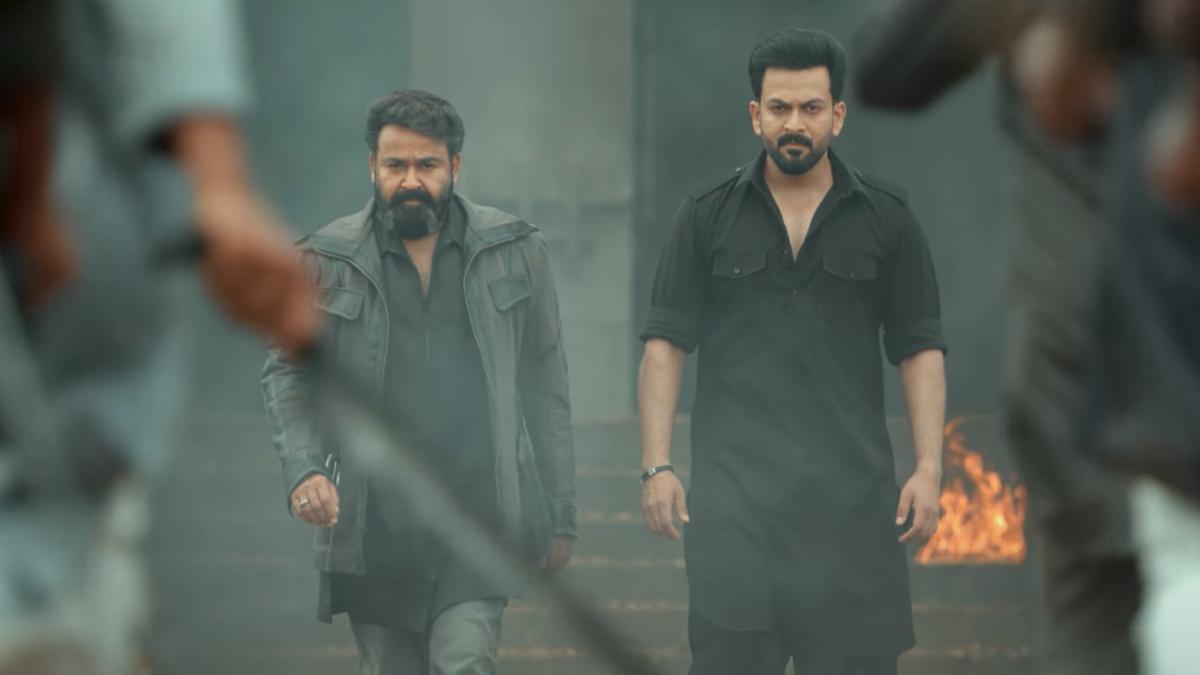
The Malayalam film L2: Empuraan, starring Mohanlal, has undergone significant alterations following a wave of criticism from right-wing groups. The filmmakers have implemented 24 “voluntary cuts,” amounting to 2.08 minutes of footage, in response to the backlash that erupted after the movie's release on March 27, 2025. The re-edited version, which has been certified by the Central Board of Film Certification (CBFC), is expected to be available in most Indian cinemas by April 2, 2025. One of the most notable changes involves the character Balraj, also known as Baba Bajrangi, who serves as the film's antagonist and leads a mob. This character was perceived by some as a direct reference to Babu Bajrangi, a Bajrang Dal leader who was convicted and sentenced to life imprisonment for his role in the Naroda Patiya massacre, a tragic event that occurred during the 2002 Gujarat riots. To address this concern, the character's name has been changed to Baldev in the re-edited version of the film. Furthermore, a display card that explicitly stated the period of events as “India 2002” has been modified to read “a few years ago,” seemingly to distance the film from any direct association with the historical events of that year. In addition to these alterations, the filmmakers have also removed visuals depicting vehicles passing in front of religious structures, scenes of violence against women, and graphic depictions of dead bodies during the riot sequences. A conversation between a young Zayed Masood, played by the film's director Prithviraj Sukumaran, and his father Masood, which took place during the riots, has also been excised from the film. References to the National Investigation Agency (NIA), which the film seemingly portrays as being used by the ruling party against its political opponents, have also been subjected to censorship. Audio muting has been employed to completely eliminate any mention of the NIA within the film's dialogue. The decision to make these cuts appears to be a direct response to the pressure exerted by right-wing groups, who took issue with the film's portrayal of certain events and characters.
The impact of these cuts extends beyond the film's narrative content. The 'Special Thanks' section during the film's credits has also been affected, with the names of actor and Union Minister of State for Petroleum Suresh Gopi and IRS officer Jyothis Mohan being removed. The reason for their removal remains unclear, but it suggests a broader effort to appease those who have criticized the film. While the censored version of L2: Empuraan will be screened in India, reports indicate that the uncut version of the film will continue to be shown in international markets. However, the over-the-top (OTT) release of the film is likely to be delayed until the cuts have been incorporated into the digital version. Despite the controversy surrounding the film, the news of the re-editing process has sparked a surge in demand for tickets. The film has been running mostly sold-out shows across Kerala since its release on Thursday, suggesting that the controversy may have inadvertently increased public interest in the film. Interestingly, even as the right-wing backlash persisted, some prominent leaders from the Communist Party of India (Marxist) [CPI(M)] and the Congress party have publicly expressed their solidarity with the filmmakers and have attended screenings of the uncut version of the film in cinemas. This support from left-leaning political figures suggests a potential ideological divide in the reception of the film.
The makers of L2: Empuraan have reported impressive box office figures, claiming gross collections of ₹200 crore from worldwide screenings as of March 31, 2025. This financial success, despite the controversy and the subsequent cuts, highlights the film's popularity among audiences. However, the long-term impact of the censorship on the film's artistic integrity and its message remains to be seen. The decision to make these cuts raises important questions about artistic freedom and the influence of political pressure on creative expression. The controversy surrounding L2: Empuraan serves as a reminder of the delicate balance between artistic expression and societal sensitivities. The filmmakers' decision to make these cuts, while perhaps understandable from a commercial perspective, may also be seen as a capitulation to censorship. The removal of specific references to historical events and potentially controversial characters raises concerns about the suppression of dissenting voices and the sanitization of historical narratives. The film's experience underscores the challenges faced by artists who tackle sensitive or politically charged subjects. The potential for backlash from various groups can significantly impact the creative process and the final product. The L2: Empuraan case also highlights the role of censorship boards in mediating between artistic expression and societal concerns. The CBFC's certification of the re-edited version of the film demonstrates the board's willingness to accommodate demands for changes, even if those demands stem from political pressure. The long-term implications of this precedent remain to be seen, but it could potentially encourage further censorship and self-censorship in the film industry.
The L2: Empuraan situation reflects a broader trend of increasing polarization and sensitivity surrounding cultural and political issues. In an era of heightened political awareness and activism, filmmakers are increasingly under scrutiny for their portrayals of sensitive topics. The response to L2: Empuraan exemplifies the challenges of navigating this complex landscape. The right-wing backlash against the film highlights the potential for political pressure to influence artistic expression. The removal of references to specific historical events and figures demonstrates the willingness of filmmakers to self-censor in order to avoid controversy. The support for the film from left-leaning political figures suggests a potential ideological divide in the reception of the film. The L2: Empuraan controversy also raises questions about the role of the media in shaping public opinion. The media's coverage of the controversy likely contributed to the increased demand for tickets and the overall public interest in the film. The long-term impact of the censorship on the film's artistic integrity and its message remains to be seen. However, the case serves as a reminder of the importance of protecting artistic freedom and promoting open dialogue on sensitive issues. The filmmakers' decision to make these cuts may have been driven by commercial considerations, but it also raises ethical questions about the responsibility of artists to uphold their creative vision in the face of external pressure. The L2: Empuraan controversy provides valuable insights into the complex interplay between art, politics, and society. It underscores the challenges faced by filmmakers in navigating a politically charged environment and the importance of protecting artistic freedom and promoting open dialogue on sensitive issues. The long-term implications of this case remain to be seen, but it is likely to have a lasting impact on the film industry and the broader cultural landscape.