
 |
|
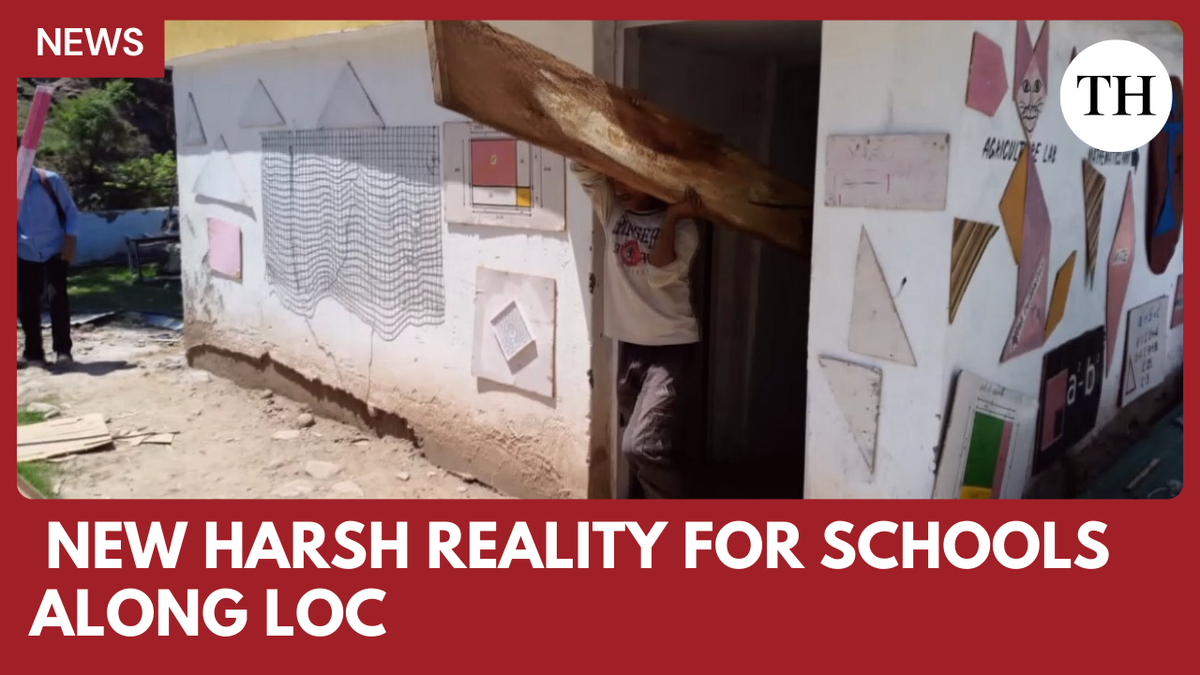
The escalating tensions between India and Pakistan, particularly in the aftermath of the tragic terror attack in Pahalgam, have cast a long shadow over the lives of those residing near the Line of Control (LoC) in Jammu and Kashmir's Poonch district. The frequent ceasefire violations by Pakistan have instilled a deep sense of fear and uncertainty among the residents, who are constantly worried about being caught in the crossfire. This precarious situation has necessitated a proactive and comprehensive approach to ensure the safety and well-being of the civilian population, especially vulnerable groups like schoolchildren. In response to this escalating threat, schools located near the LoC have taken the initiative to implement a series of measures aimed at preparing students and staff for potential cross-border shelling incidents. These measures include the cleaning and maintenance of existing bunkers, the organization of mock drills to simulate emergency evacuation procedures, and the conduct of emergency preparedness sessions to educate students and teachers on how to react appropriately in the event of a shelling attack. The cleaning of bunkers is a crucial step in ensuring that these shelters are readily available and functional when needed. Bunkers provide a safe haven for students and staff during shelling incidents, offering protection from the immediate impact of explosions and shrapnel. Regular maintenance and cleaning are essential to keep the bunkers in optimal condition and to ensure that they are free from any hazards that could compromise their safety. The organization of mock drills is another vital component of the preparedness strategy. These drills provide an opportunity for students and staff to practice evacuation procedures and to familiarize themselves with the designated escape routes and assembly points. By simulating real-life scenarios, mock drills help to reduce panic and confusion during actual shelling incidents, enabling students and staff to react quickly and efficiently to reach safety. Emergency preparedness sessions are also an integral part of the schools' efforts to prepare for cross-border shelling. These sessions provide students and teachers with essential information on how to identify the signs of an impending attack, how to take cover, and how to administer first aid. The sessions also cover topics such as communication protocols, emergency contact information, and the importance of staying calm and following instructions during a crisis. The decision to implement these measures reflects a growing recognition of the need to prioritize the safety and security of students and staff in the face of escalating tensions along the LoC. By taking proactive steps to prepare for potential shelling incidents, schools are empowering their students and staff to respond effectively and to minimize the risk of injury or loss of life. The initiative taken by these schools is commendable and serves as an example for other educational institutions located in conflict zones. It highlights the importance of prioritizing safety and security, and of taking proactive measures to mitigate the risks associated with armed conflict. The success of these preparedness efforts will depend on the continued commitment of school authorities, teachers, students, and the local community. Regular training, ongoing maintenance of bunkers, and a strong sense of community resilience are essential to ensure that schools near the LoC are well-prepared to face the challenges posed by cross-border shelling.
The geopolitical landscape surrounding the Line of Control (LoC) in Jammu and Kashmir is fraught with complexity and historical tensions. The region has long been a flashpoint between India and Pakistan, with frequent skirmishes and ceasefire violations disrupting the lives of the civilian population. The Pahalgam terror attack, which resulted in the tragic loss of 26 innocent civilian lives, has further exacerbated the already strained relations between the two countries. In the wake of the attack, both India and Pakistan have announced punitive diplomatic actions and have ramped up security measures in their respective territories. This heightened security posture has led to increased military activity along the LoC, further raising the risk of cross-border shelling and other forms of violence. The residents of border areas are particularly vulnerable to the effects of this escalating conflict. They live in constant fear of being caught in the crossfire and are often forced to evacuate their homes at a moment's notice. The disruption to their lives is significant, as they struggle to maintain their livelihoods and to provide for their families in the face of ongoing violence and instability. The impact of the conflict on children is particularly devastating. They are exposed to traumatic experiences that can have long-lasting psychological effects. The disruption to their education and the constant fear for their safety can hinder their development and limit their future opportunities. The schools located near the LoC play a vital role in providing a sense of normalcy and stability for these children. They offer a safe and supportive environment where children can learn, socialize, and escape the stresses of the conflict. The efforts of these schools to prepare for cross-border shelling are therefore essential to protect the well-being of their students and to ensure that they have the opportunity to continue their education in a safe and secure environment. The international community has a responsibility to support the efforts of these schools and to provide humanitarian assistance to the affected communities. Diplomatic efforts to de-escalate tensions between India and Pakistan are also crucial to creating a more peaceful and stable environment in the region. A lasting solution to the conflict will require a comprehensive approach that addresses the underlying political, economic, and social issues that fuel the tensions. This includes promoting dialogue and reconciliation between the two countries, addressing the root causes of terrorism, and investing in the development of the border areas. Only through such a comprehensive approach can the cycle of violence be broken and a lasting peace be achieved in the region.
The preparations undertaken by schools near the LoC extend beyond mere drills and training sessions; they embody a profound commitment to safeguarding the future generation in a region perpetually overshadowed by conflict. The act of cleaning and fortifying bunkers, often rudimentary structures, transforms them into symbols of resilience, offering a tangible refuge from the indiscriminate threat of cross-border shelling. These bunkers represent more than just physical protection; they serve as psychological anchors, providing a sense of security and stability amidst the chaos and uncertainty. The mock drills, meticulously planned and executed, instill a sense of preparedness and empower students and staff to react swiftly and decisively in the face of danger. These drills are not merely exercises in evacuation; they are opportunities to build confidence, foster teamwork, and instill a sense of collective responsibility. The emergency preparedness sessions, carefully designed to impart essential knowledge and skills, equip students and teachers with the tools to cope with the immediate aftermath of a shelling incident. These sessions cover a wide range of topics, from basic first aid to communication protocols, ensuring that everyone is equipped to respond effectively in a crisis. The commitment of teachers and school staff to these preparedness efforts is particularly noteworthy. They dedicate their time and energy to ensuring the safety and well-being of their students, often going above and beyond the call of duty. They understand the importance of providing a safe and supportive learning environment for children who have been traumatized by the conflict and are committed to helping them overcome their fears and build a brighter future. The local community also plays a vital role in supporting these preparedness efforts. They provide volunteers to assist with the cleaning and maintenance of bunkers, participate in mock drills, and offer emotional support to students and teachers. This collective effort demonstrates the resilience and determination of the community to protect its children and to ensure that they have the opportunity to thrive despite the challenges they face. The international community can also play a significant role in supporting these preparedness efforts by providing financial and technical assistance. This includes funding for the construction and maintenance of bunkers, training for teachers and school staff, and the provision of emergency supplies. International organizations can also work with local communities to develop and implement comprehensive disaster preparedness plans that address the specific needs of the region. The long-term impact of these preparedness efforts extends beyond the immediate safety of students and staff. By fostering a culture of resilience and preparedness, these efforts contribute to the overall stability and development of the region. They empower communities to cope with the challenges of conflict and to build a more peaceful and prosperous future for themselves and their children. The story of the schools near the LoC is a testament to the power of education, resilience, and community spirit. It is a reminder that even in the most challenging circumstances, it is possible to create hope and opportunity for the future generation. The dedication of teachers, school staff, and the local community to these preparedness efforts is an inspiration to us all and a reminder of the importance of working together to build a more peaceful and just world.
The broader context of the India-Pakistan relationship significantly impacts the security situation along the Line of Control (LoC). Decades of unresolved territorial disputes, particularly over the region of Kashmir, have fueled mistrust and animosity between the two nations. This historical baggage, combined with differing geopolitical interests and strategic considerations, has resulted in a volatile and unpredictable security environment. The escalation of tensions following events like the Pahalgam terror attack often triggers a cycle of retaliatory actions and heightened military deployments along the LoC. This, in turn, increases the risk of cross-border shelling and other forms of violence, directly affecting the lives of civilians residing in the border areas. The frequency and intensity of ceasefire violations by both sides underscore the fragility of the peace in the region. These violations not only cause physical damage and displacement but also create a climate of fear and uncertainty that can have a profound psychological impact on the civilian population. The schools near the LoC, therefore, operate in a particularly challenging environment, where the threat of violence is ever-present. The measures they have implemented to prepare for cross-border shelling are not merely reactive; they are a proactive attempt to mitigate the risks associated with living in a conflict zone. The effectiveness of these measures, however, depends on a complex interplay of factors, including the political will of both governments, the effectiveness of ceasefire monitoring mechanisms, and the ability of the international community to mediate and de-escalate tensions. A sustainable solution to the security challenges along the LoC requires a multifaceted approach that addresses the root causes of the conflict and promotes dialogue and reconciliation between India and Pakistan. This includes confidence-building measures, such as increased communication and cooperation between military officials on both sides, as well as efforts to address the grievances and aspirations of the people of Kashmir. The international community can play a constructive role by encouraging dialogue, providing humanitarian assistance, and supporting initiatives that promote peace and stability in the region. Ultimately, the security and well-being of the people living near the LoC depend on the establishment of a lasting peace between India and Pakistan. This will require a long-term commitment to dialogue, compromise, and cooperation, as well as a willingness to address the underlying issues that have fueled the conflict for so long. The efforts of the schools near the LoC to prepare for cross-border shelling are a testament to their resilience and determination to protect their students and staff. However, their efforts can only be fully effective in a context of lasting peace and stability.
The response of the local community to the security challenges and the preparedness efforts of the schools along the Line of Control (LoC) highlights the strength and resilience of the people in the face of adversity. Living under the constant threat of cross-border shelling requires a unique level of adaptability and a deep sense of community solidarity. The local residents have learned to cope with the disruptions and uncertainties that come with living in a conflict zone, developing coping mechanisms and support networks that help them navigate the challenges. The support they provide to the schools in their preparedness efforts is a testament to their commitment to the safety and well-being of their children. They volunteer their time and resources to assist with the cleaning and maintenance of bunkers, participate in mock drills, and offer emotional support to students and teachers. This collective effort demonstrates a strong sense of ownership and responsibility for the safety of the community. The local authorities also play a crucial role in supporting the schools and the community in their preparedness efforts. They provide funding for the construction and maintenance of bunkers, coordinate emergency response efforts, and work with community leaders to ensure that everyone is informed and prepared for potential shelling incidents. The collaboration between the local community, the local authorities, and the schools is essential to creating a safe and secure environment for children to learn and grow. The resilience of the local community is also evident in their ability to maintain a sense of normalcy despite the ongoing conflict. They continue to pursue their livelihoods, celebrate their traditions, and strive to provide a better future for their children. The schools play a vital role in this effort, providing a safe and supportive learning environment where children can connect with their peers, develop their skills, and build their confidence. The stories of the people living near the LoC are an inspiration to us all, demonstrating the power of resilience, community spirit, and the unwavering commitment to protecting the most vulnerable members of society. Their efforts to prepare for cross-border shelling are a testament to their determination to survive and thrive in the face of adversity. The international community can support these efforts by providing humanitarian assistance, promoting dialogue and reconciliation, and working towards a lasting peace in the region. The challenges faced by the schools and the community along the LoC serve as a reminder of the importance of prioritizing human security and investing in the resilience of communities affected by conflict. By working together, we can help to create a more peaceful and just world for all.
Source: Watch | Schools near LoC in J&K clean bunkers, train students to react to cross-border shelling