
 |
|
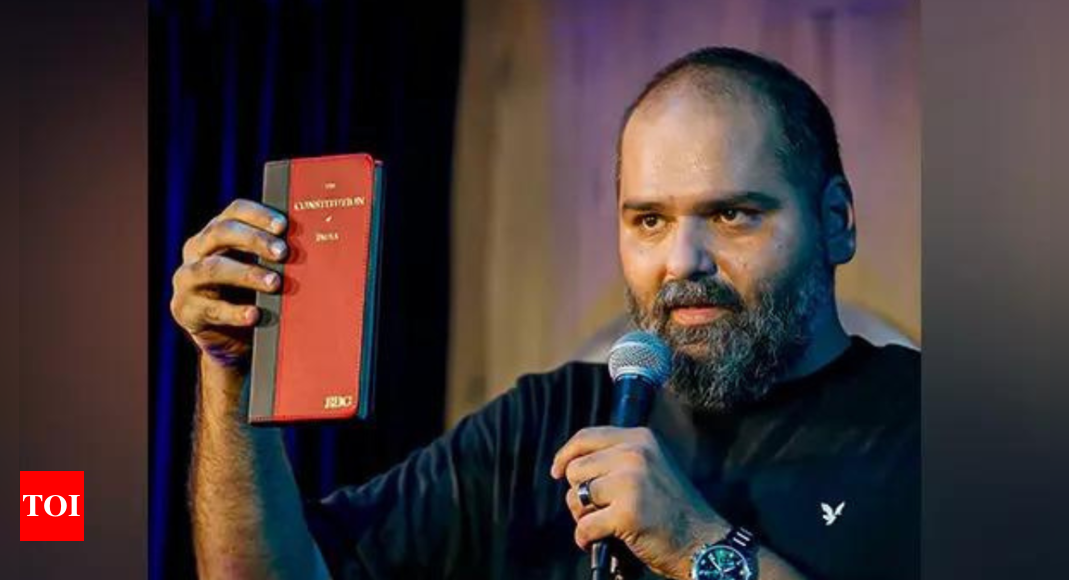
The article details the escalating controversy surrounding comedian Kunal Kamra's recent stand-up performance at Habitat Studio in Mumbai. The focal point of the uproar stems from a joke Kamra made during his show, where he parodied a popular Hindi song and referred to Eknath Shinde, the current Chief Minister of Maharashtra, as a "gaddar," which translates to "traitor" in English. This single utterance ignited a firestorm of reactions, ranging from vehement protests and acts of vandalism by members of the Shinde-led Sena party to official investigations ordered by the state government. Kamra, however, remains steadfast in his position, refusing to apologize for his joke and instead launching a counter-offensive against what he perceives as an overreaction by both the political establishment and the public. He articulates his stance through a series of statements posted on X (formerly Twitter), directly addressing the various parties involved in the controversy. He criticizes the "mob" for resorting to vandalism, emphasizing that the entertainment venue, Habitat Studio, should not be held responsible for his comedic content. He argues that such venues merely provide a platform for various performances and lack any control over the views or expressions of the artists who perform there. Further, he accuses political leaders of stifling freedom of speech and expression, stating that this right should not be reserved solely for those who praise the powerful and wealthy. Kamra also questions the impartiality of the law enforcement system, inquiring whether the vandals who damaged Habitat Studio will face the same level of scrutiny and legal action as he himself is likely to encounter. He sarcastically suggests alternative venues for his future performances, highlighting locations in Mumbai that are in need of demolition or repair, implying that these might attract less controversy. Addressing those who have leaked his personal contact information and subjected him to incessant calls, Kamra states that all unknown calls are automatically redirected to his voicemail, where callers will be forced to listen to the very song that sparked the controversy. He also criticizes the media for its coverage of the situation, reminding them of India's low ranking in press freedom indices. He reiterates his refusal to apologize, asserting that his statement about Eknath Shinde was merely a reflection of similar remarks made by Ajit Pawar, the first Deputy Chief Minister of Maharashtra. He concludes by stating that he is not afraid of the "mob" and will not be intimidated into hiding. The controversy extends beyond mere social media outrage and public demonstrations. Yogesh Kadam, Maharashtra's junior home minister, has announced a formal investigation into Kamra's call records and financial transactions. This investigation aims to uncover any potential external influences or funding sources behind Kamra's performance. Earlier allegations made by Shiv Sena leader Sanjay Nirupam suggested that the rival Uddhav Sena faction had funded Kamra's show, raising questions about political motivations and potential orchestration of the controversy. The entire situation highlights the delicate balance between freedom of speech and expression and the potential for offense and political repercussions. It also raises broader questions about the role of comedy in society, the limits of satire, and the appropriate response to controversial or offensive content. The case of Kunal Kamra serves as a microcosm of the ongoing debates surrounding censorship, self-censorship, and the right to challenge authority through artistic expression. The escalating tensions and the involvement of both political and law enforcement agencies underscore the significance of this particular incident and its potential implications for the future of artistic freedom in India. Furthermore, the incident underscores the sensitivity surrounding political figures and the potential for even seemingly lighthearted jokes to be interpreted as serious attacks on their reputation and legitimacy. The reaction to Kamra's joke demonstrates the extent to which political discourse has become polarized and the speed at which controversies can escalate in the age of social media. The willingness of political actors to involve law enforcement in response to a comedic performance raises concerns about the chilling effect this might have on other artists and comedians who may be hesitant to express their views for fear of similar repercussions. The investigation into Kamra's financial transactions also raises questions about the extent to which the government is willing to go to suppress dissent and control the narrative surrounding political events. This incident serves as a reminder of the importance of protecting freedom of speech and expression, even when the views expressed are unpopular or offensive to some. It also highlights the need for a more nuanced and tolerant approach to political discourse, where individuals are able to express their opinions without fear of retribution or censorship. The future of Kunal Kamra's career and the broader landscape of Indian comedy may well be shaped by the outcome of this controversy. The investigation into his activities and the public reaction to his performance will set a precedent for how similar situations are handled in the future. Ultimately, the incident raises profound questions about the state of democracy in India and the extent to which freedom of speech is truly protected and valued.
The ramifications of the Kunal Kamra controversy extend far beyond the immediate outrage and political maneuvering. At its core, the incident touches upon fundamental principles of freedom of speech, artistic expression, and the role of satire in a democratic society. While the right to express oneself is enshrined in constitutional guarantees, the boundaries of that right remain a subject of ongoing debate and legal interpretation, particularly in the context of political commentary and comedic performance. The controversy also highlights the complexities of navigating cultural sensitivities and the potential for even seemingly innocuous jokes to be misconstrued or weaponized for political gain. In Kamra's case, his parody, intended as a satirical jab at Eknath Shinde's political actions, was met with swift and decisive condemnation by the Shinde-led Sena party. The resulting protests and vandalism demonstrate the volatility of political discourse and the ease with which public sentiment can be mobilized against individuals or groups perceived to be challenging the established order. The decision by the Maharashtra government to launch an investigation into Kamra's call records and financial transactions raises serious concerns about the potential for abuse of power and the chilling effect such actions can have on freedom of expression. The scrutiny of an artist's personal life and professional dealings sends a clear message that dissent will not be tolerated and that those who dare to challenge the status quo will be subjected to intense surveillance and potential legal repercussions. This kind of intimidation tactic not only stifles creativity and critical thinking but also undermines the very foundations of a democratic society, where open dialogue and the free exchange of ideas are essential for progress and accountability. Furthermore, the controversy underscores the challenges faced by comedians and satirists in India, who often operate in a highly polarized and sensitive political environment. The line between humor and offense is often blurred, and the potential for backlash and censorship is ever-present. This can lead to self-censorship, where artists feel compelled to tone down their material or avoid controversial topics altogether for fear of retribution. Such self-censorship can have a detrimental effect on the quality and diversity of artistic expression, ultimately limiting the range of perspectives and voices that are heard in the public sphere. In addition to the political and legal implications, the Kunal Kamra controversy also has significant social and cultural dimensions. The incident has sparked a wider debate about the role of humor in society, the acceptability of political satire, and the responsibility of artists to consider the potential impact of their work. While some argue that comedians should be free to express themselves without fear of censorship, others contend that they have a moral obligation to avoid perpetuating harmful stereotypes or inciting violence. This debate is particularly relevant in a country like India, with its diverse cultural landscape and history of social and political tensions. Ultimately, the Kunal Kamra controversy serves as a cautionary tale about the importance of protecting freedom of speech and fostering a more tolerant and inclusive public discourse. It also highlights the need for greater understanding and appreciation of the role of satire in challenging power and holding leaders accountable. By engaging in open and respectful dialogue, we can create a society where diverse voices are heard and where artists feel empowered to express themselves freely without fear of reprisal.
The response to Kunal Kamra's joke, particularly the state's decision to investigate his financial records, reflects a broader trend of increasing intolerance towards dissent and artistic expression in India. Over the past several years, there has been a noticeable rise in censorship, online harassment, and legal challenges targeting artists, journalists, and activists who are critical of the government or its policies. This trend is fueled by a combination of factors, including the rise of Hindu nationalism, the increasing influence of social media, and the erosion of independent institutions. The use of legal mechanisms to silence dissent is particularly concerning. Laws such as the sedition law and the defamation law, which were originally intended to protect national security and individual reputation, are increasingly being used to stifle criticism and intimidate those who speak out against the government. This has led to a climate of fear, where individuals are hesitant to express their views for fear of facing legal action or online harassment. The Kunal Kamra case is just one example of this trend. The state's decision to investigate his financial records is a clear attempt to intimidate him and send a message to other artists that dissent will not be tolerated. This kind of intimidation tactic not only stifles creativity and critical thinking but also undermines the very foundations of a democratic society. The increasing intolerance towards dissent is also reflected in the rise of online harassment and trolling. Social media platforms have become breeding grounds for hate speech and disinformation, and those who are critical of the government are often subjected to vicious online attacks. This online harassment can have a devastating impact on individuals, leading to anxiety, depression, and even self-censorship. The Kunal Kamra case is a reminder of the importance of protecting freedom of speech and expression, even when the views expressed are unpopular or offensive to some. It also highlights the need for a more tolerant and inclusive public discourse, where individuals are able to express their opinions without fear of retribution or censorship. The government has a responsibility to protect freedom of speech and ensure that all individuals are able to express themselves freely without fear of reprisal. This includes protecting artists, journalists, and activists from online harassment and legal challenges. It also includes promoting media literacy and critical thinking skills, so that individuals are able to distinguish between credible sources of information and disinformation. In addition, civil society organizations have a role to play in promoting freedom of speech and challenging intolerance. This includes advocating for legal reforms, providing support to those who are targeted for expressing their views, and raising awareness about the importance of freedom of expression. Ultimately, the future of freedom of speech in India will depend on the collective efforts of the government, civil society organizations, and individual citizens. By working together, we can create a society where diverse voices are heard and where artists feel empowered to express themselves freely without fear of reprisal. The alternative is a society where dissent is stifled, creativity is suppressed, and democracy is undermined.