
 |
|
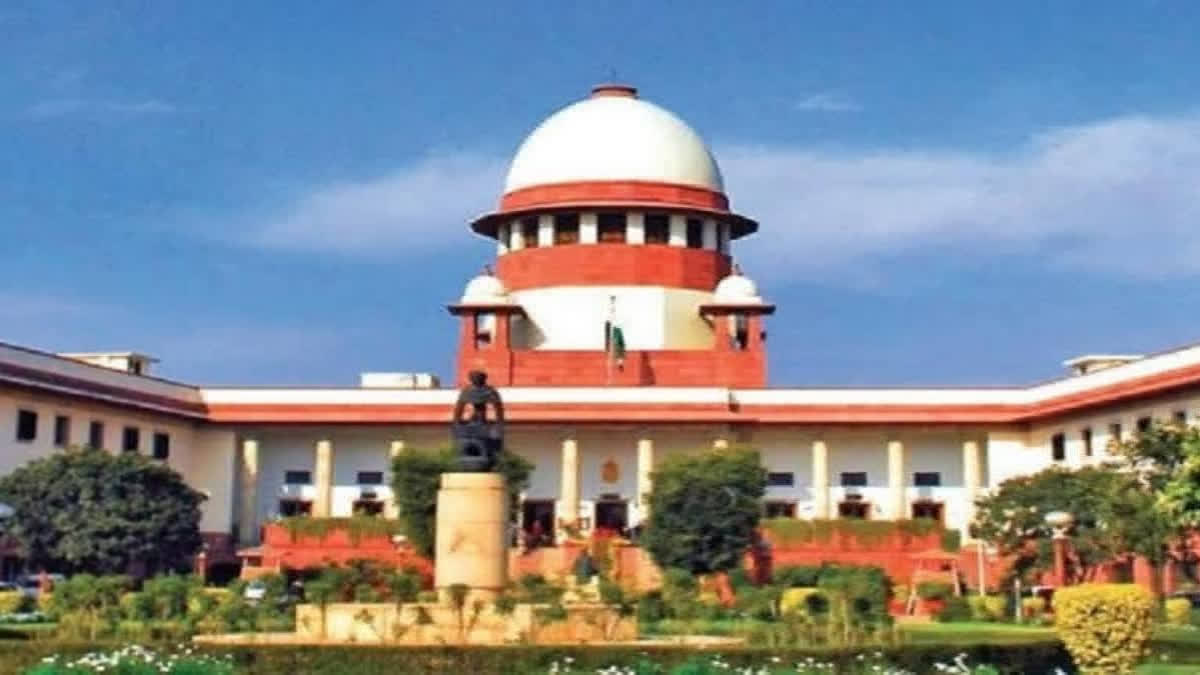
The Supreme Court of India delivered a scathing judgment on Thursday, expressing profound shock and dismay at the brutal assault and public disrobing of a woman in Bihar, India, based on accusations of witchcraft. The court's condemnation wasn't merely a legal pronouncement; it reflected a deep-seated concern about the persistent prevalence of such barbaric acts in the 21st century. The case, which stemmed from an incident in March 2020 in Champaran district, involved thirteen individuals accused of physically abusing the victim and another woman who attempted to intervene. The severity of the assault, characterized by the complete violation of the victim's dignity, deeply disturbed the justices. The judgment highlighted the inadequacy of existing legal frameworks and enforcement mechanisms in effectively safeguarding vulnerable populations, particularly women in rural areas, from such atrocious crimes.
Justice Karol, authoring the judgment, emphasized that the dignity of an individual lies at the heart of their existence within society. Any act that undermines this dignity, whether perpetrated by individuals or the state itself, directly contravenes the fundamental principles of the Indian Constitution, which guarantees justice, liberty, and equality for all citizens. The court noted that the compromise of a person's dignity inherently jeopardizes their human rights, both domestically and internationally protected. The justices underscored that women face disproportionately greater threats to their rights despite significant advancements in gender equality, especially in rural communities where deeply rooted patriarchal norms and beliefs continue to fuel violence and discrimination. The court's strong words were a direct response to the failure of authorities to adequately protect the victim and prosecute the accused.
The Supreme Court's critique extended to the Bihar High Court's decision to stay the investigation. The justices questioned the state's rationale for not challenging this stay, arguing that the state's responsibility to uphold the rule of law and ensure justice for all should supersede any other considerations, including budgetary constraints. The judgment revealed a disturbing reality: despite legislative, executive, and judicial efforts to protect vulnerable groups, especially women, from exploitation, these measures haven't permeated to the grassroots level effectively. The court cited NCRB data reporting 85 cases of witchcraft-related violence in 2022, along with similar figures from preceding years. While these numbers may seem relatively small compared to the overall crime statistics, the court stressed that even a single incident constitutes a grave violation of the constitutional spirit. Each instance represents a failure of the system to prevent and punish such heinous acts.
The Supreme Court's judgment wasn't solely focused on condemnation; it also included specific directions aimed at accelerating the legal process. The apex court disposed of the matter by issuing directives to the trial court to conduct a day-to-day trial. The accused were ordered to appear on January 15, 2025. Importantly, the court clarified that its observations on the heinousness of the crime were not intended to prejudge the accused's guilt. The trial was instructed to proceed impartially, considering all evidence while remaining uninfluenced by the court's assessment of the crime's severity. The case serves as a powerful reminder of the urgent need for comprehensive measures to combat violence against women, particularly in rural areas, where deeply entrenched social norms and a lack of effective law enforcement contribute to a climate of impunity. The judgment underscores the necessity of strengthening legal frameworks, improving law enforcement capacity, and fostering widespread societal awareness to tackle this pervasive issue effectively.
The Supreme Court's decision highlights a critical gap between legal frameworks and on-the-ground realities. While laws exist to protect women from violence and discrimination, their effective implementation and enforcement remain significantly challenged. The case brings into sharp focus the systemic issues that perpetuate violence against women in India. The court’s emphasis on the need for a speedy trial and the importance of respecting the rule of law serves as a call to action for all stakeholders, including the government, law enforcement agencies, and civil society organizations. The incident underscores the need for greater awareness, education, and community-based interventions to challenge deeply ingrained patriarchal beliefs and practices that often underpin such acts of violence. The persistent occurrence of these crimes despite legal protections points to a larger societal problem requiring multi-pronged solutions, including addressing the root causes of gender-based violence and ensuring accountability for perpetrators.